Kriyaban
The only way to find God's Love is to surrender to Him.
So master your mind that you may offer it to Him.
So master your mind that you may offer it to Him.
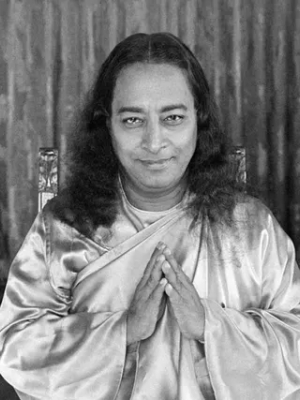
"Paramahansa Yogananda"

Better readingon large screen:www.kriyaban.es
My first visit to Vrindavan was in 2024. In fact, it is my first stop in India. As soon as I arrived in Delhi, I took a trusted taxi and headed to Mathura, the place where I will be staying. So I am doubly excited: on one hand, because I am returning to India since my last visit in 2022, and on the other, because I am visiting Vrindavan for the first time.
Vrindavan is interesting for us, the devotees of Yogananda, because it is the capital of worship to Krishna, worship to God through love. Here, practitioners of Bhakti Yoga, also known as Hare Krishnas, are concentrated. Their practice and deep knowledge of the Bhagavad Gita are an inspiration to all of us. From them, we can learn to love God more and better, something that Yogananda undoubtedly considered fundamental in the life of a devotee.
I hope that everything I am going to share you will like and even encourage you to visit this fantastic and sacred place.
After a few days in Vrindavan and eating the local food, I started to notice a curry aroma on my body... Anyway, I have a lot to tell you. Three days have passed, well, the third one is not over yet, but I am so exhausted that I could almost consider it finished.
So, I have been in Vrindavan for three days and many things have happened. The adaptation has been a gradual process, getting familiar with life in India, with everything that implies: noise, food, pollution, crowds, etc. I couldn't stay directly in an ashram in Vrindavan, so I looked for a hotel in Mathura, a few kilometers away.
At the time, I saw that there were no suitable places to stay in Vrindavan, so I decided to stay outside the sacred city. My first search on the internet indicated that in thirty minutes by taxi, I could get from Mathura to Vrindavan, and I thought, well, I'd rather be thirty minutes away but comfortable, than the opposite. In the end, it turned out that you practically can't go by taxi because it's expensive and there's a lot of traffic. And when you take a rickshaw, it's crazy because it takes a long time and you immerse yourself in absolute chaos; it's like being in a war, but elevated to the nth degree.
Despite everything, I am getting used to making the trip, although the headache it causes each time I do it is considerable due to the hustle, traffic, and noise that you have to endure.
On my first day in Vrindavan, I got lost trying to reach the meeting point with my friend Anuradha, a devotee of Krishna and a practitioner of Bhakti Yoga. I have placed all my trust in Anuradha to get to know Vrindavan properly. She frequently does retreats in an ashram here in Vrindavan and knows it like the back of her hand.
Given the relevance that Bhakti Yoga will have throughout this post, below I attach a brief explanation of what it is.
Bhakti Yoga
Bhakti Yoga is the path of love and devotion, seeking union with the divine through surrender and worship. In Sanskrit, "Bhakti" means devotion and "Yoga" means union. The practices of Bhakti Yoga may include: Kirtan: devotional chanting of mantras and songs. Puja: rites and ceremonies of worship. Japa: repetition of sacred mantras. Satsang: spiritual gatherings for the study and discussion of sacred texts. Arati: offering of lights to the deity.
The essence of Bhakti Yoga is pure and selfless love towards the divine, whether in the form of a god, goddess, guru, or the universe. The practitioner seeks to completely surrender to the divine, eliminating the ego and cultivating humility and compassion. A personal relationship with the divine is encouraged, which can be seen as a friend, lover, father, mother, or child. Some fundamental sacred texts in the practice of Bhakti Yoga include: Bhagavad Gita: A dialogue between Krishna and Arjuna that describes Bhakti Yoga as one of the paths to spiritual realization. Srimad Bhagavatam: A text dedicated to the glories of Krishna and the stories of his devotees. Ramayana: The epic of Rama, inspiring devotion through his life and teachings.
Bhakti Yoga, with its focus on love and devotion, offers an accessible and deeply enriching spiritual path for those seeking a more intimate connection with the divine.
We continue...
Finally, Anuradha and I managed to agree to meet later, and in the meantime, I took the opportunity to buy a SIM card to have internet and visit the fantastic Iskcon temple in Vrindavan.
Iskcon
Iskcon is a religious organization based on the teachings of the Bhagavad Gita and other Vedic texts, whose mission is to promote Krishna consciousness around the world. It follows the practices of Bhakti Yoga, which include deity worship, hymn chanting, scripture study, and devotional service. With its emphasis on Bhakti Yoga and Krishna consciousness, Iskcon has grown into an influential and recognized spiritual movement worldwide.
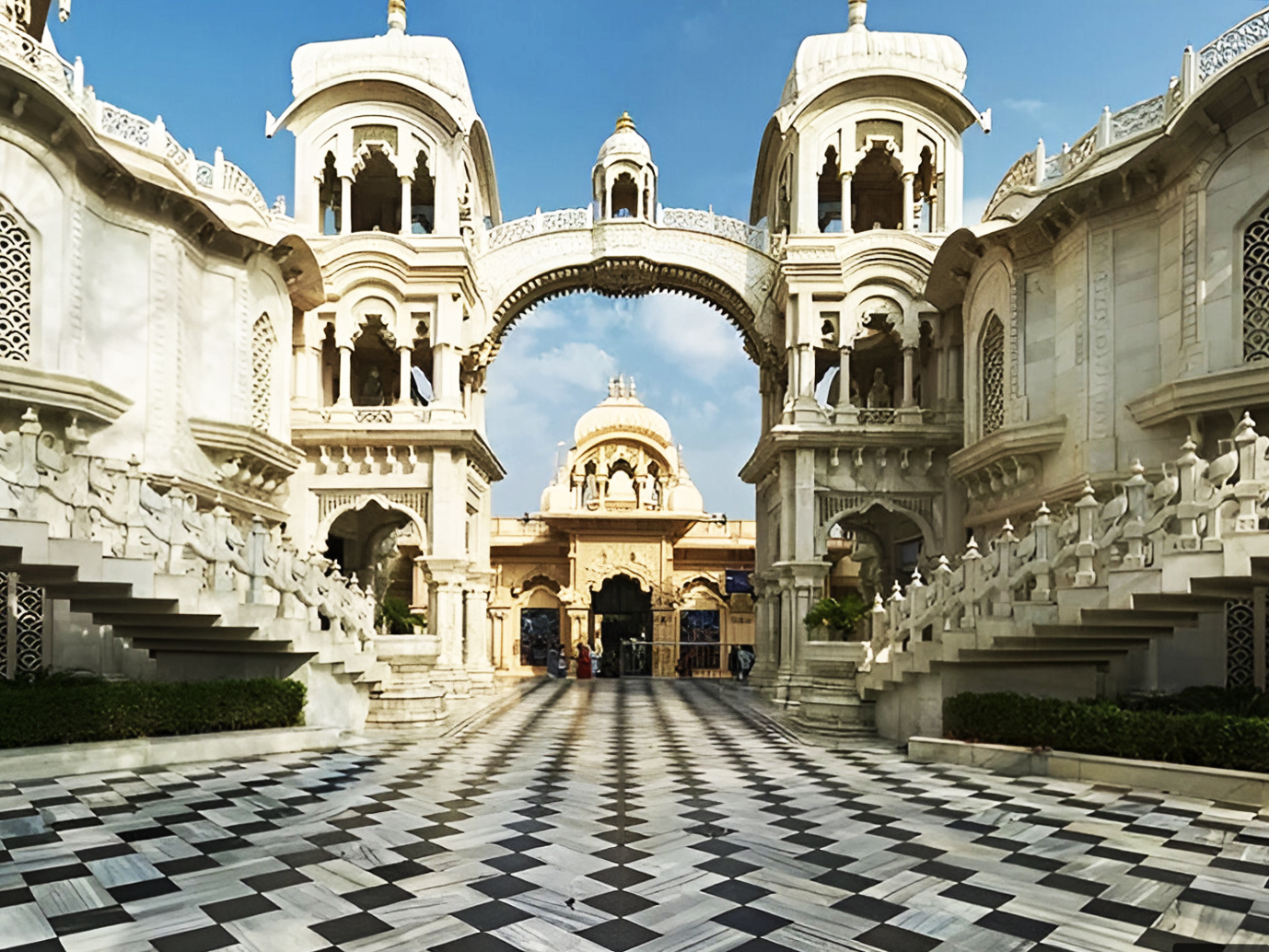
Iskcon Temple in Vrindavan
This temple is a wonder. The atmosphere is fantastic, with people singing, dancing, strolling, and contemplating, all in an atmosphere of peace and love. I sat in a corner, in my style, and let myself be carried away, enjoying the flow of life.
Later, when I met with Anuradha, I did not hold back on hugs and kisses. I was very excited to see her in India after sharing so many moments in Barcelona, where we met. Without delay, she took me to her ashram, her beloved ashram, the place where she does months-long retreats and where she meets her spiritual teachers. This place is for her a source of balance and where she takes the opportunity to strongly boost her Bhakti practice and, therefore, her love for Krishna.
This place is typical for being remote and hidden, but inside it contains a gold mine. The dedication and devotion of the devotees who retreat here is fantastic. The masters have an advanced spiritual background and are very loved and respected by their devotees. They invited me to eat several times, and I was able to share great moments of conversation with them; it was a wonderful experience."
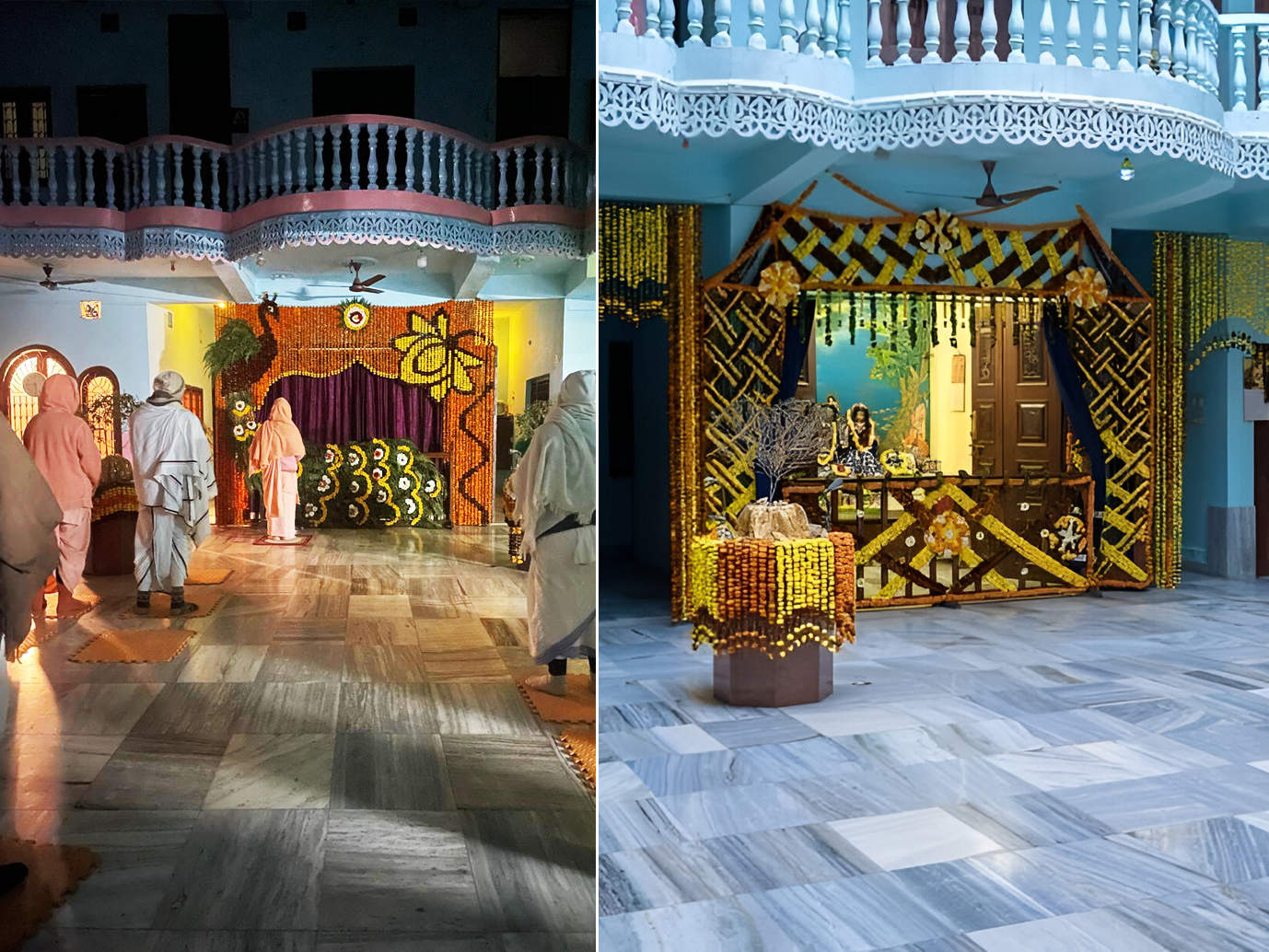
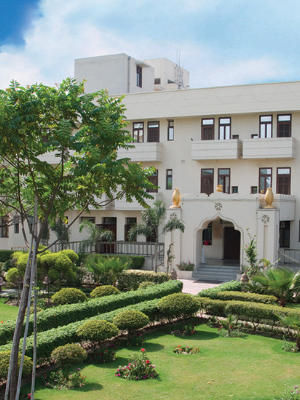
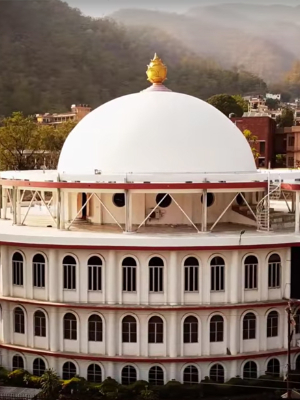
Images of the ashram where Anuradha resides
As they often say here in India, Vrindavan is the place where all yogis, saints, and gurus want to go at least once before they die, because it is a highly esteemed sacred place. It is the quintessential place for Hare Krishna and Bhakti Yoga practitioners. All of Vrindavan is full of Krishna devotees, and practically all ashrams are of Krishna worship practitioners.
The next day, I signed up for a tour of significant temples, organized by one of the devotees for new visitors to the ashram. And I say significant temples because many of them house the tombs of great spiritual masters of Bhakti who became enlightened. They are ancient temples and very visited by devotees. In many of them, you can feel a captivating energy in the atmosphere. They are truly ideal places to sit and surrender to God.
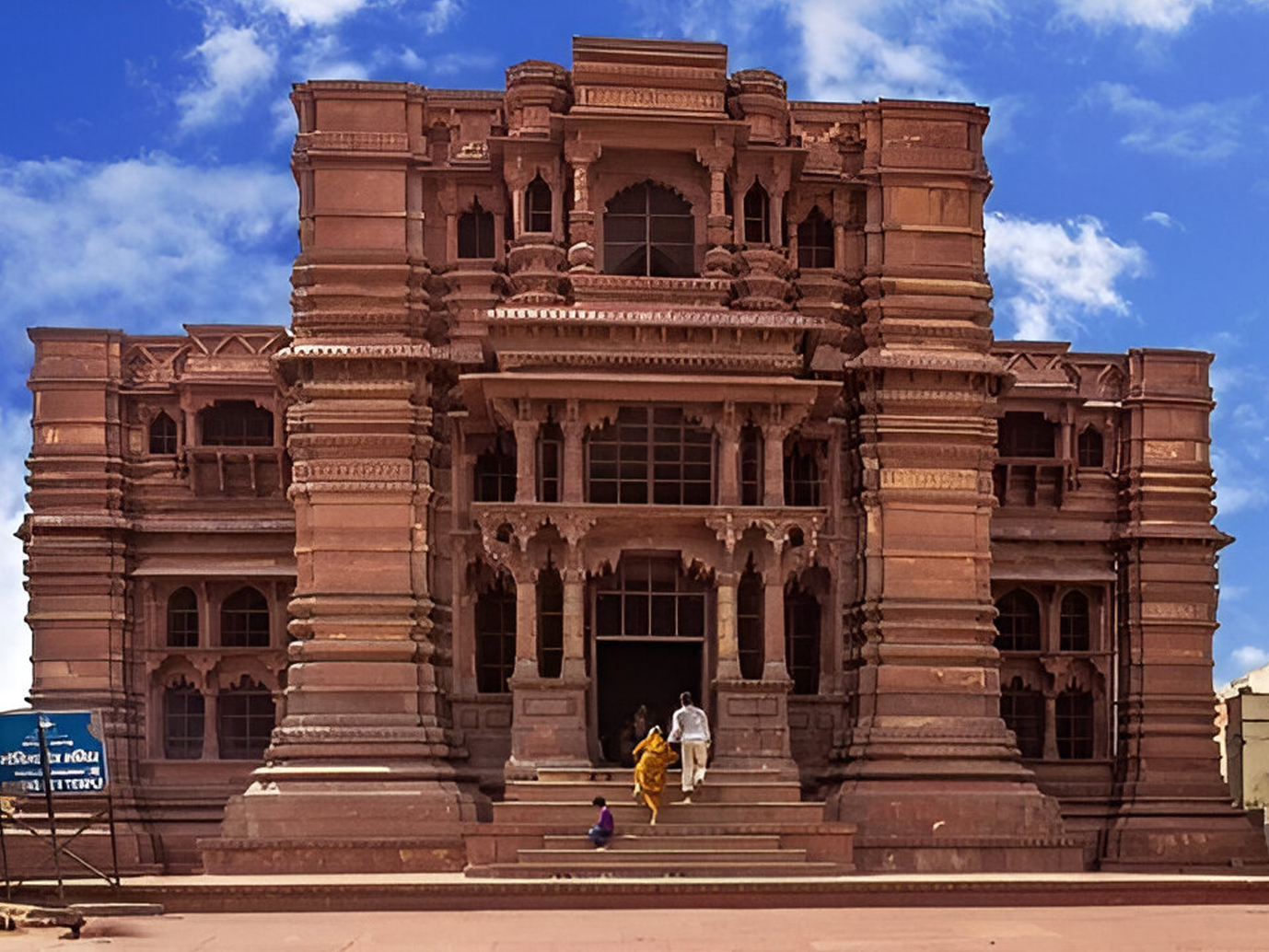
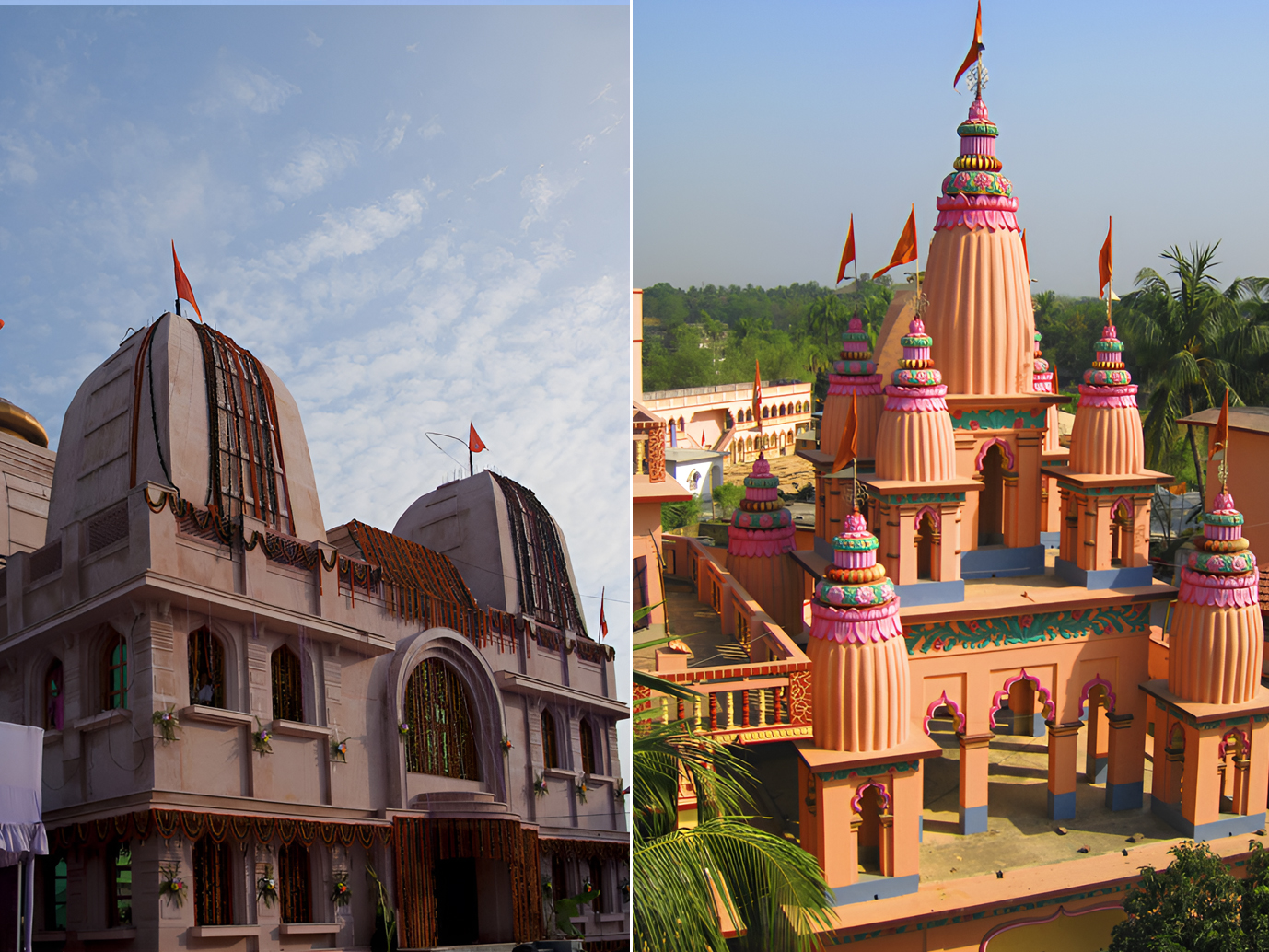
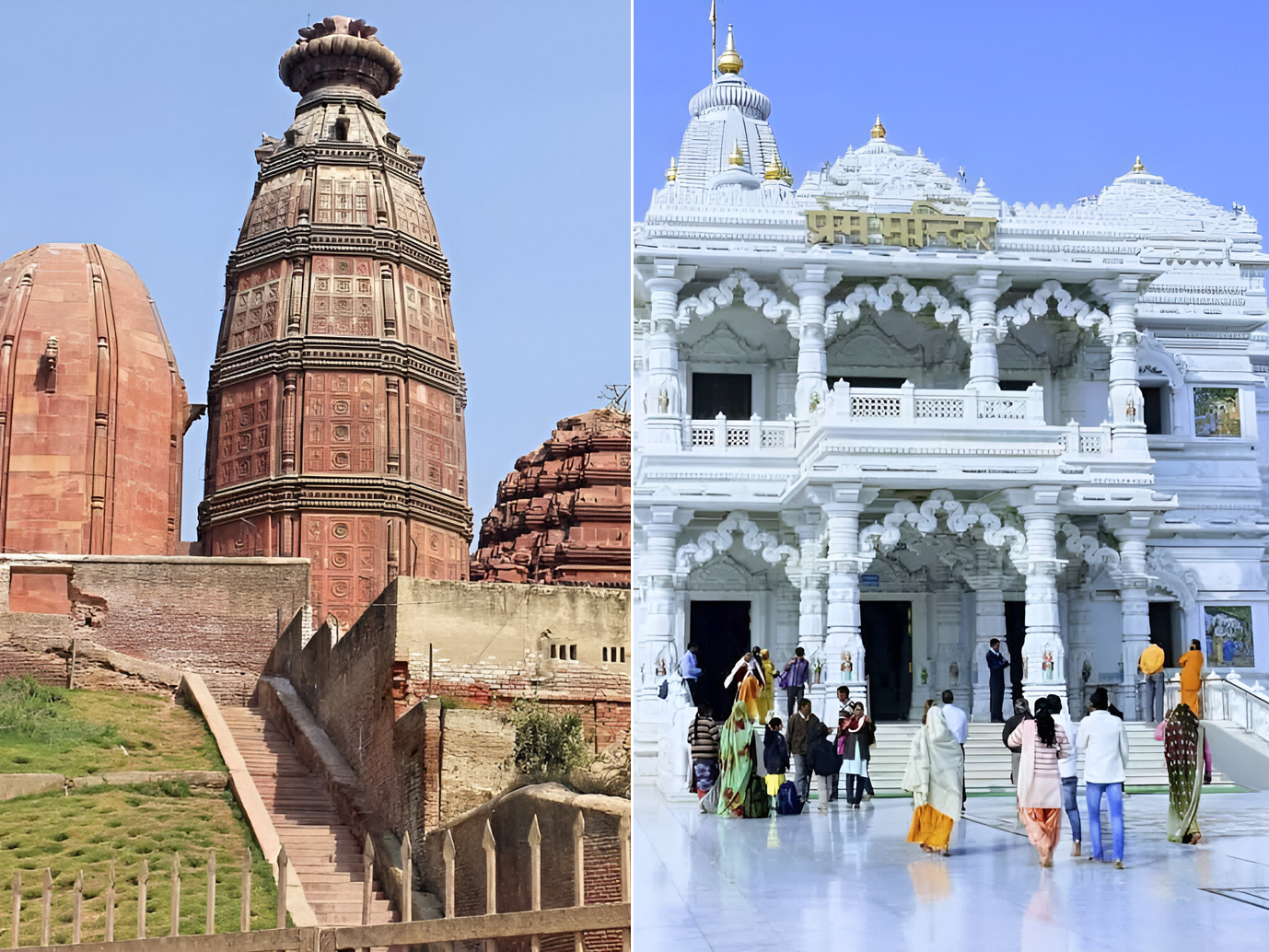
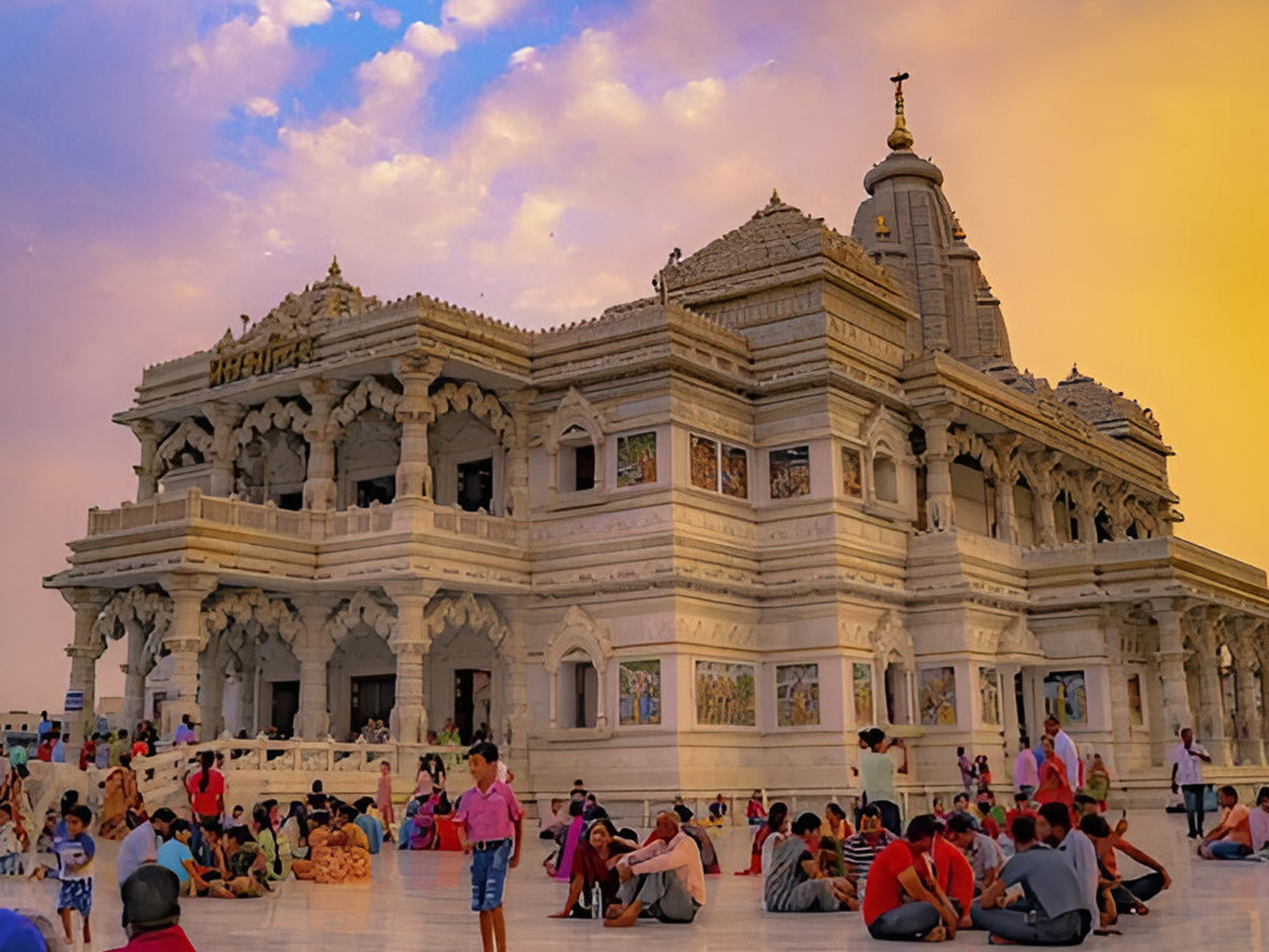
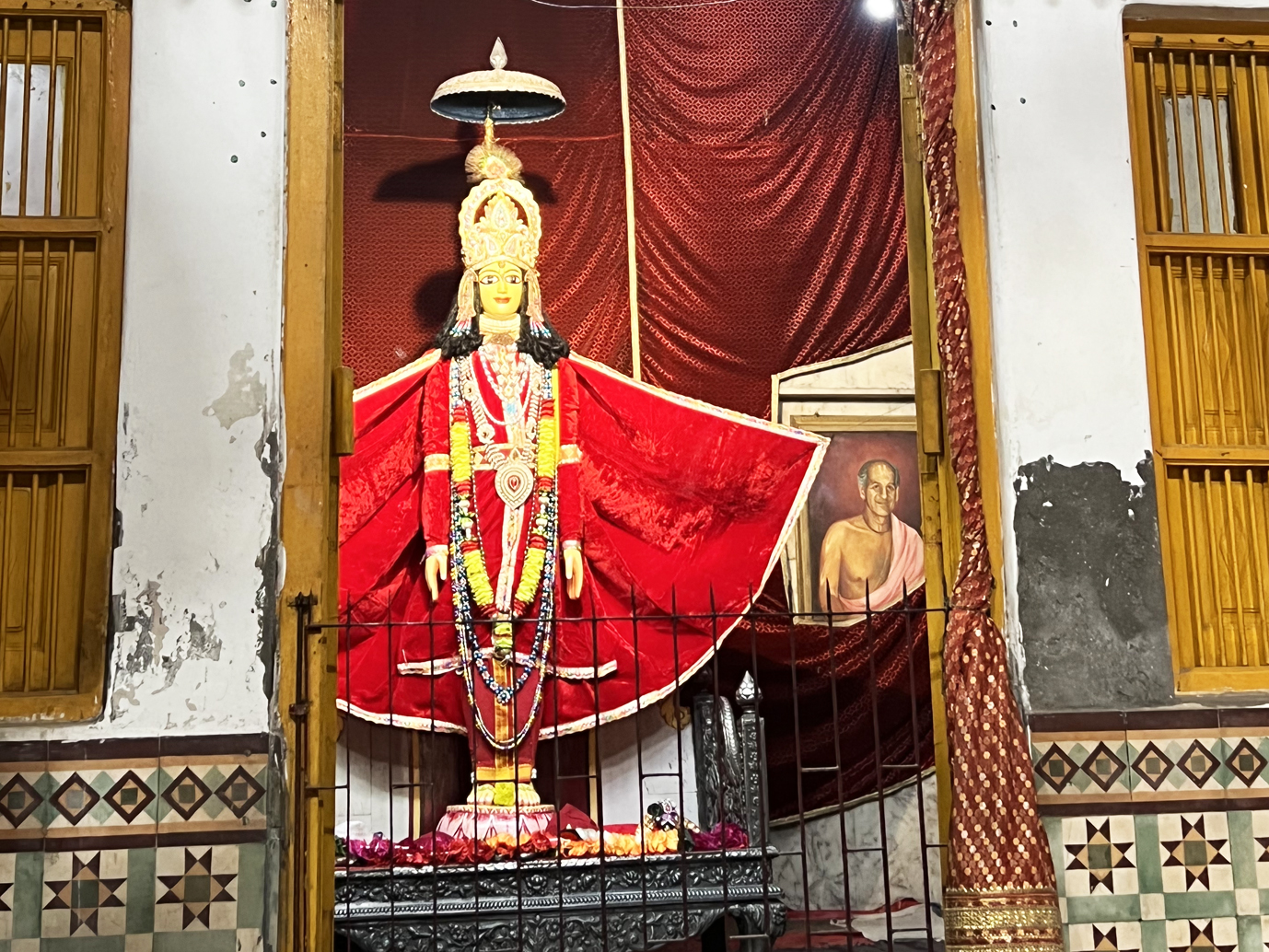
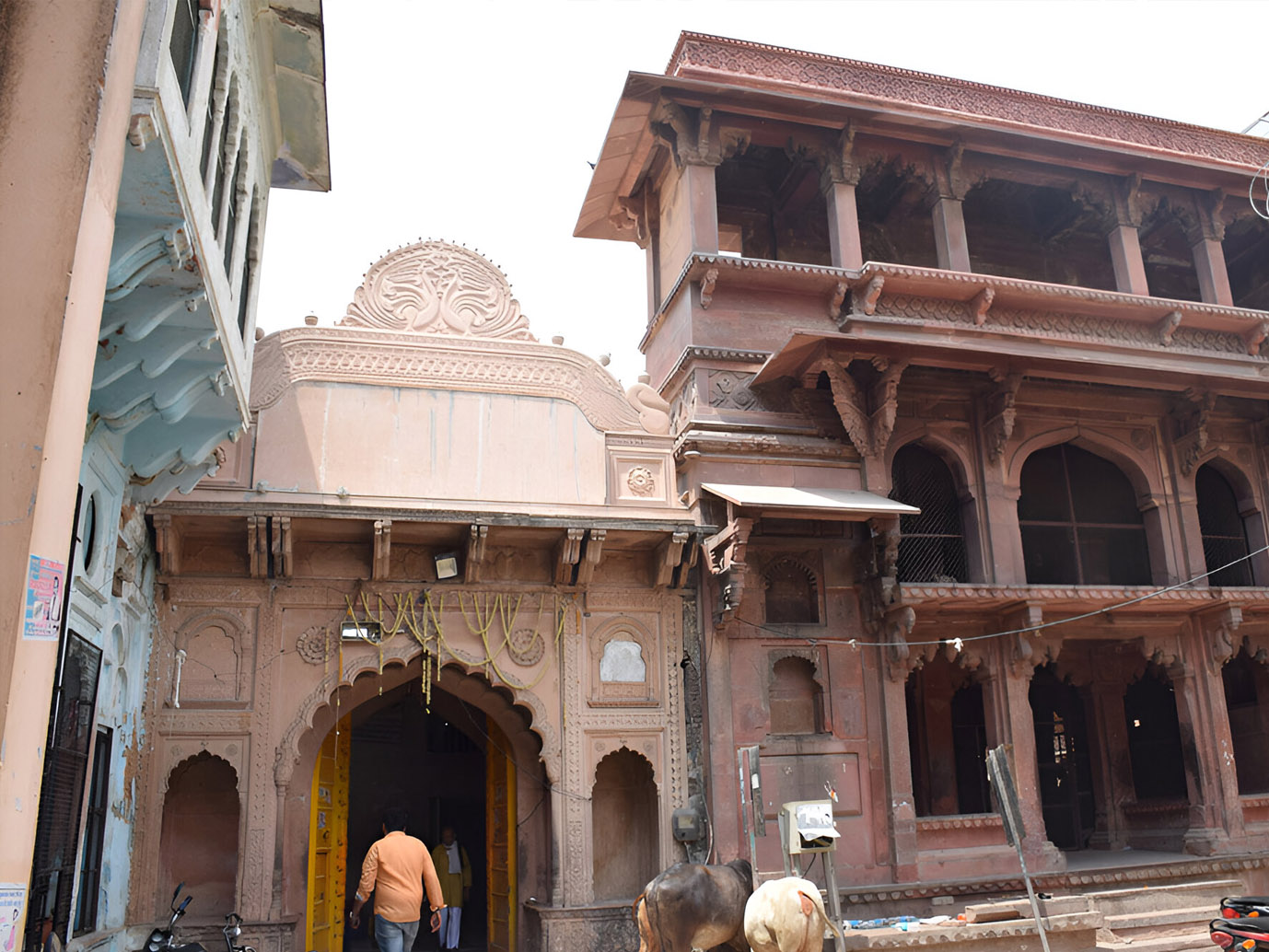
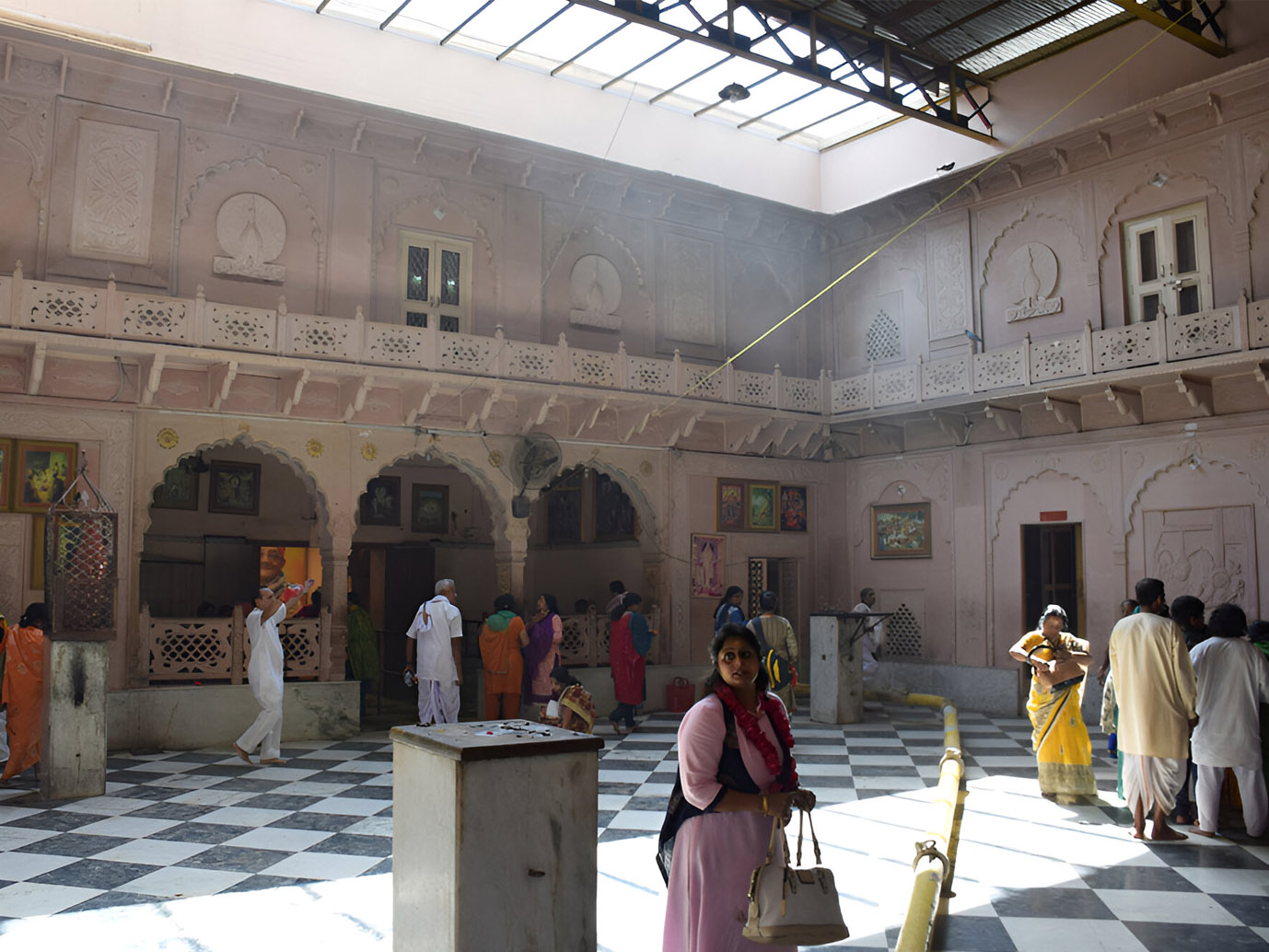
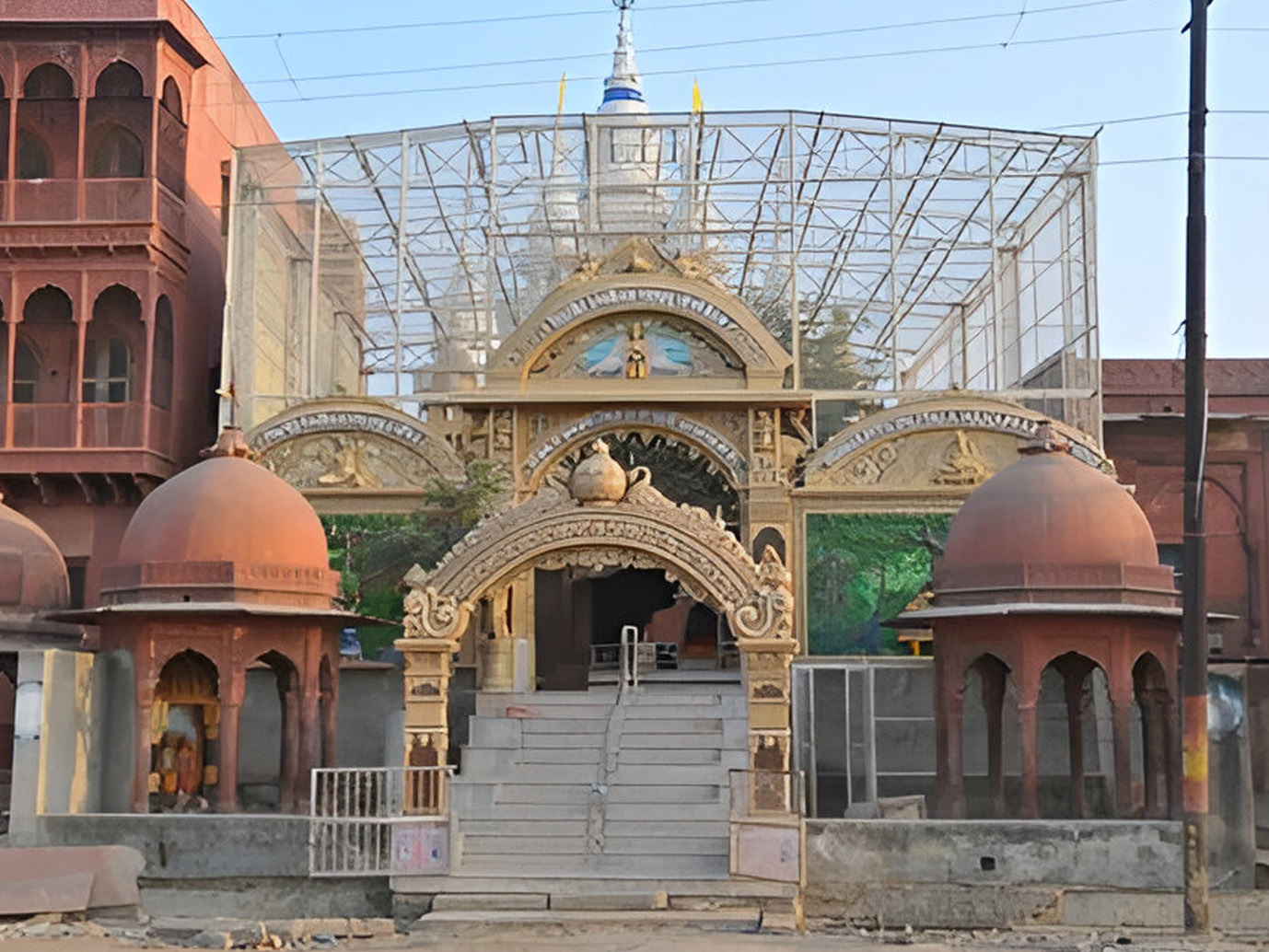
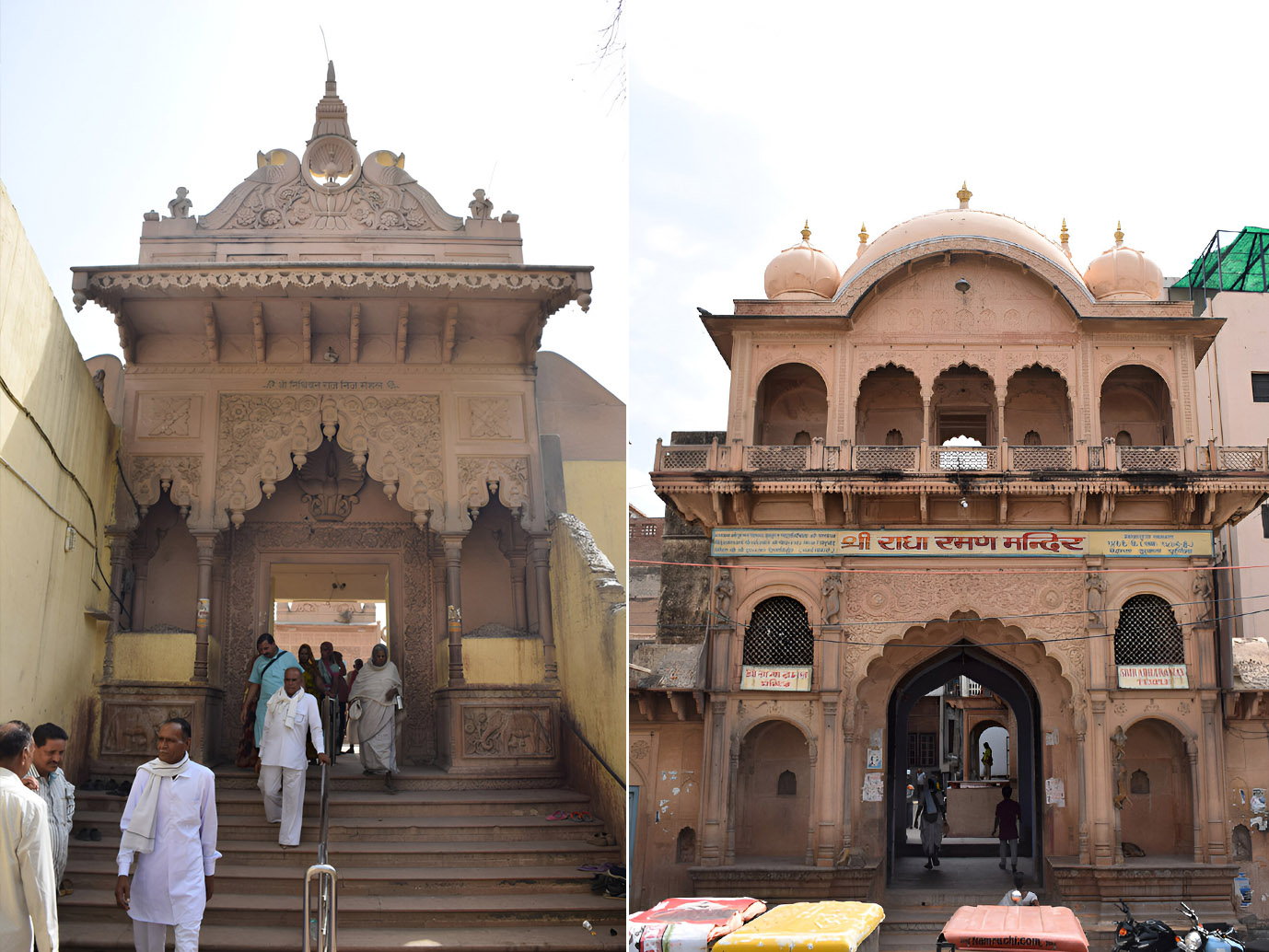
Temples of Krishna worship in Vrindavan
Some temples are even more iconic because they preserve spaces or elements from the time of Krishna, making them places of pilgrimage. Do not be fooled by the almost abandoned appearance that some of them present on their facade or the fact that they are in hidden alleys, as some are very old and therefore retain their personality from ancient times, in the midst of the changing Vrindavan.
During these days, I have enjoyed conversing and sharing spiritual knowledge with Anuradha's devotee friends about Bhakti Yoga, and I believe I have understood it better. Personally, I think that for Yogananda's devotees, the practice of worshiping God is fundamental, and that is the specialty of Bhakti Yoga. With them, I have talked about the goals pursued by the practice and its meaning. Here I share some of the conversations I have enjoyed.
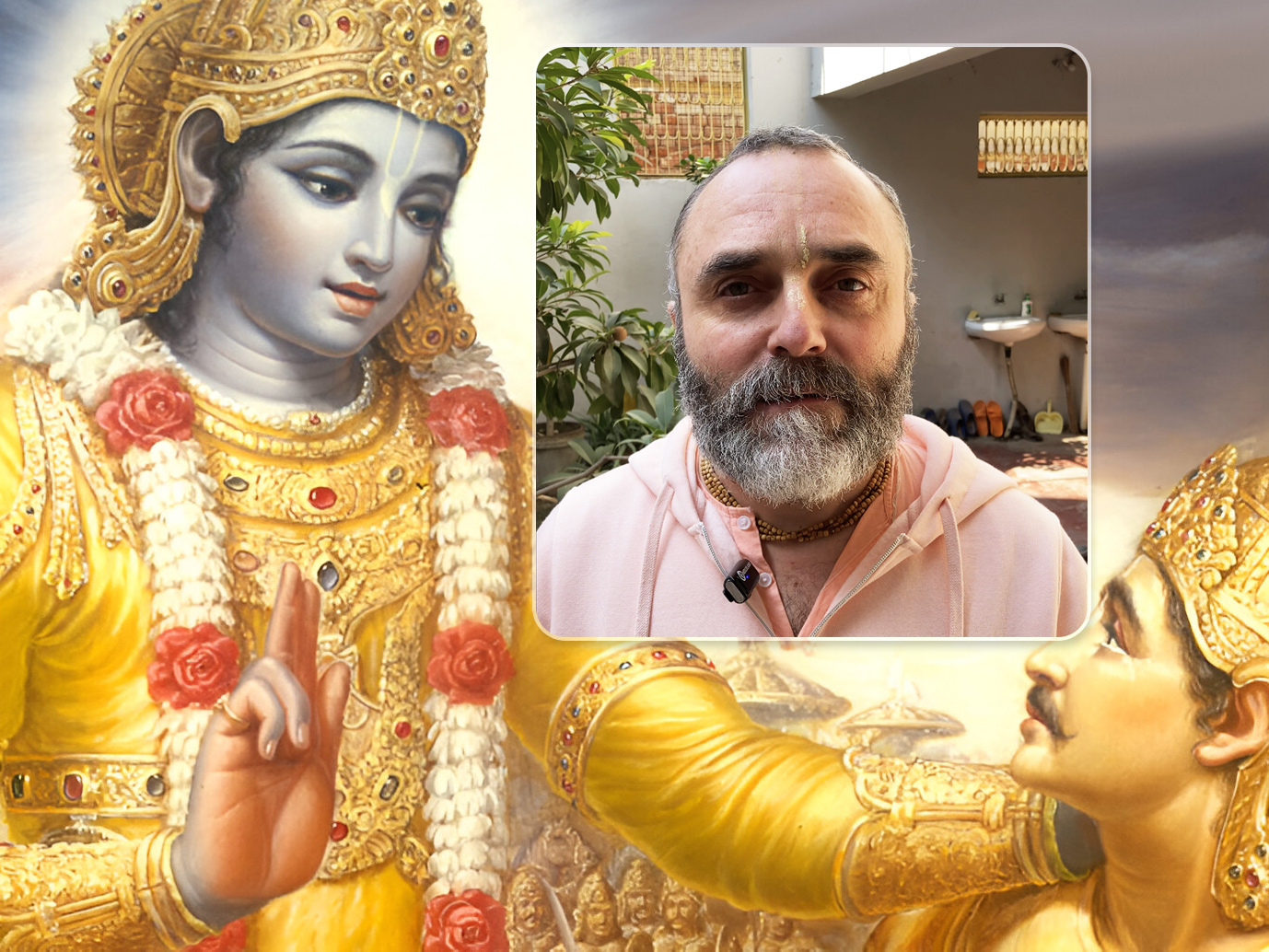
Talk with Achutananda Das. Bhakti Yoga devotee talks to us about the process of surrendering to Krishna, how our relationship with God continues after enlightenment, and the relationship with God

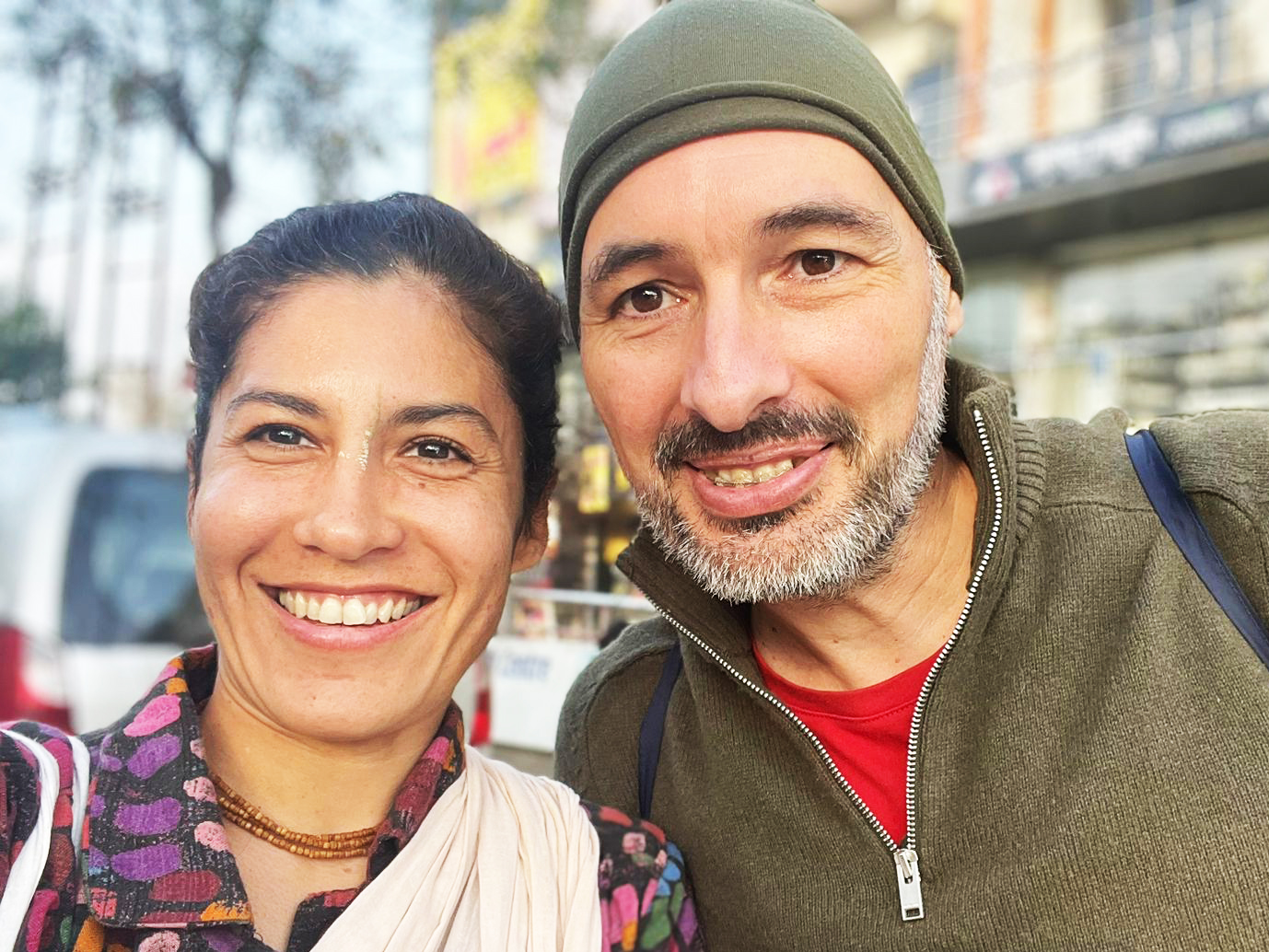
Talk with Anuradha, Bhakti Yoga devotee, about the Gita
Talking with Anuradha about the devotee's sadhana and everything that must be renounced to please God, we ended up discussing the importance of the context that relationships offer for personal and spiritual growth.
Marriage, beyond being an ideal space for building a family project, is also an ideal environment for two people committed to sharing their lives to have the opportunity to practice aspects related to loyalty, perseverance, forgiveness, and compassion. In short, a set of virtues necessary for spiritual growth. Perhaps even for many people, it is more fruitful than being in a cave meditating for twenty-four hours, because you can advance a lot and very quickly if you take marriage in this particular way.
I had been warned that monkeys in Vrindavan are well-trained thieves. People always carry a stick with them when they go out on the street to scare them away because they approach and steal anything you have in your hand. Moreover, there are people who train them to steal things from you, and then, when you want to get them back, you have to negotiate with them. So, Achutananda and I were walking, and he had a sweatshirt tied around his waist. Suddenly, a monkey, fast as lightning, approached him and, as if by magic, took it away, immediately climbing to the nearest roof. From there, it waited for its trainer to approach us to offer us something in exchange, something that, of course, you have to pay for. This is the dynamic, well known by all.
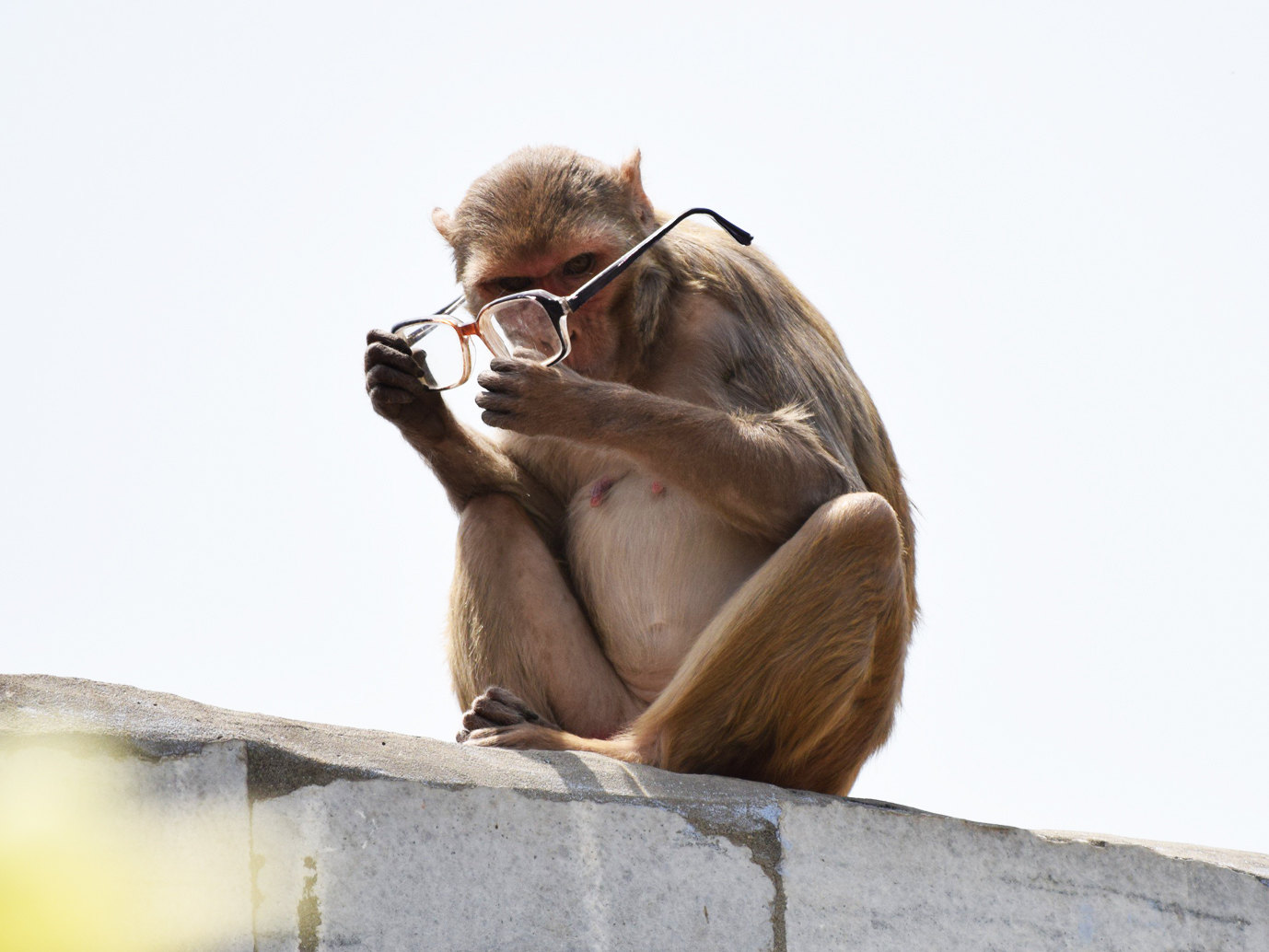
Monkeys stealing in Vrindavan
Vrindavan has been a fantastic first visit because it connected me with the most important thing: loving God. In this pilgrimage, what I need is to connect in the most profound and sincere way possible. Everything that comes in my next days of travel requires that love to flourish. So, it has been a gift and a blessing not only to land in Vrindavan but to do so hand in hand with Anuradha and Achutananda, among others.
And I repeat myself, but it has been very beautiful and interesting to delve into Bhakti. For us, practitioners of Paramahansa Yogananda's Kriya Yoga, Bhakti is vital. Yogananda was a fervent lover of God and did not conceive the path of spiritual growth without passionately loving God.
Starting this pilgrimage focusing on Bhakti has been fantastic, and I hope I can keep this in mind for all the days ahead.
A devotee from Anuradha's ashram gave me two small books that are a gem. These two little books have allowed me to delve into Bhakti and connect with this part I have been talking about. They are wonderful, besides being easy to read and very concise.
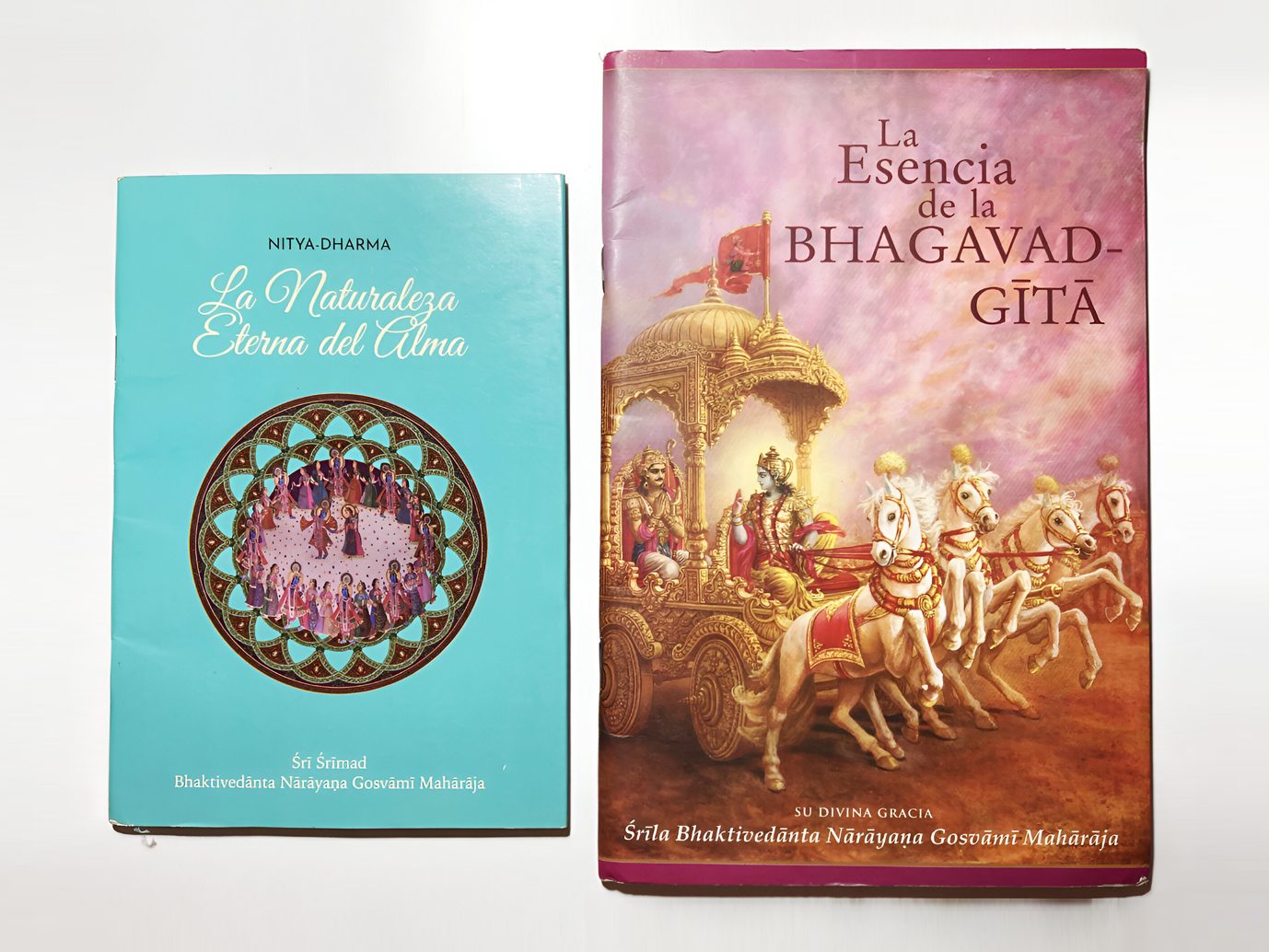
Books about the Gita
Yogananda and Daya Mata's Bhakti
Remember what Daya Mata was like: pure love. In fact, one of her books, a compilation of her talks, is called that. For Daya Mata, everything was God, and she constantly invoked Him: "Reveal Yourself, I love You, God, I love You, God, reveal Yourself, I love You, I love You, I love You…"
That was Daya Mata, an explosion of devotion in this sense. I believe she perfectly understood Yogananda. She saw in him that the most important thing, above all, is to practice the presence of God. Kriya Yoga combined with Bhakti is the key, without a doubt.
In my opinion, Kriya Yoga and the techniques Yogananda has given us open the door, open the portal. As illustrated with a graphic in the new lessons, when one practices Kriya Yoga, over time, the spiritual eye awakens. The visions you can begin to see in the area of the forehead, with your eyes closed and being inwardly focused, are first a white or yellow circle, then this same circle fills with blue color, and finally, a five-pointed star appears in the center. All these are portals or tunnels that must be traversed by practicing devotional surrender until reaching the star, at which point communion occurs.
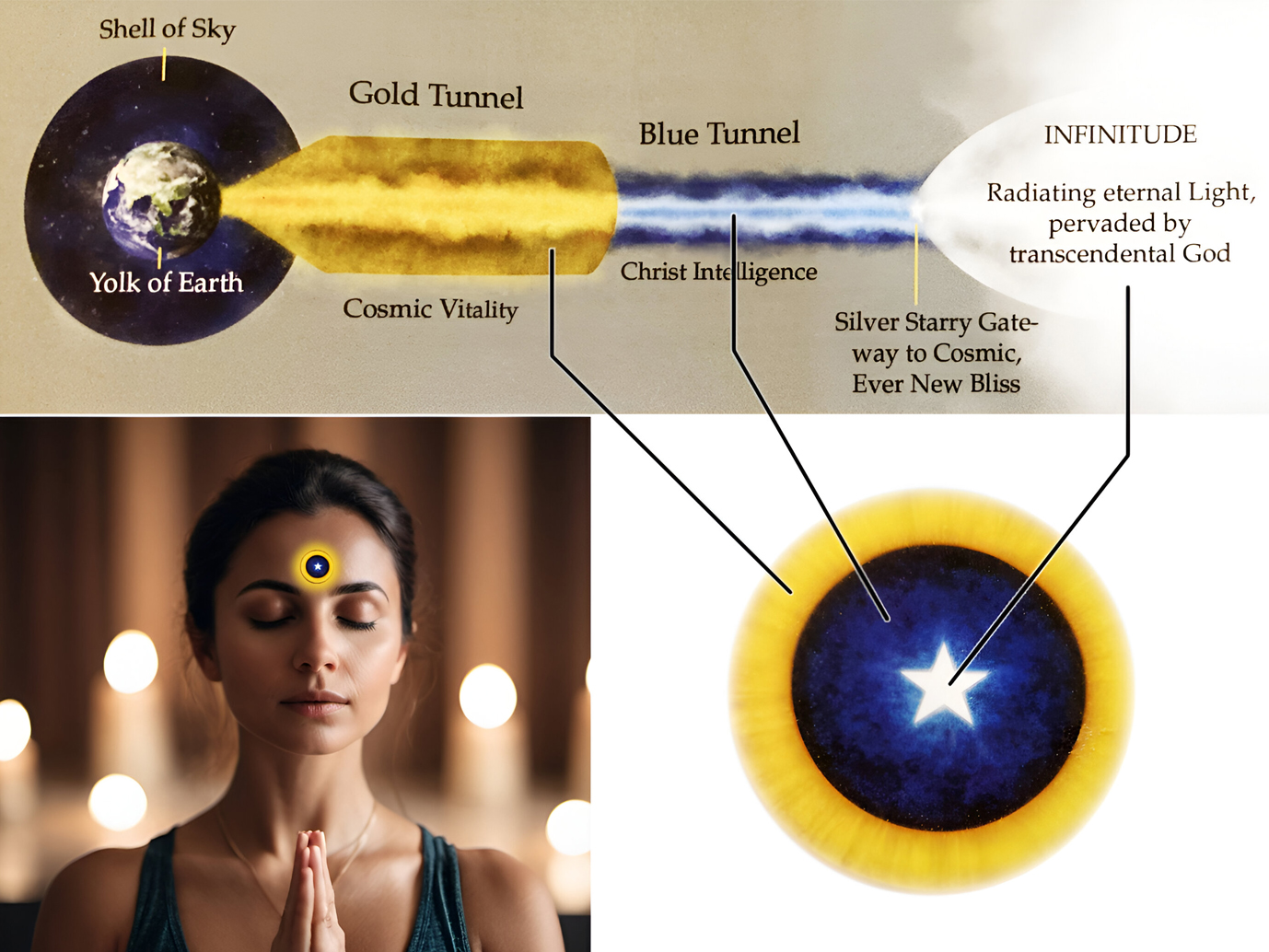
Illustration of the portals
Kriya Yoga opens the portal for you, but you need to apply Bhakti Yoga, the devotional surrender to God, to reach the goal. The application of Bhakti Yoga at that moment, when the portal is open, is nothing more than practicing surrender to God with the most sincere and pure love possible for you.
If you are good at that practice, if your love at that moment is so great that it can seduce God, then finally, He surrenders to you. I understand it that way. That is why Bhakti is so important in our sadhana, because without practicing surrender and love to God at that stage of meditation, it is not possible to reach samadhi.
When your energy has increased as a result of your practices, and when your Christ consciousness becomes clearer and more accessible, those portals manifest. There is a direct relationship between the appearance of those phenomena and your state of consciousness and energy.
Why Kriya Yoga?
In line with opening the portals, as Yogananda says, Kriya Yoga is the most powerful technique. There is no other technique with the capacity to open the portal faster than the practice of Kriya Yoga.
For those who practice and still do not see the spiritual eye, the blue background, the star, etc., my personal advice is not to worry. These phenomena are related to the opening of the portals and will manifest as your Christ consciousness becomes more accessible and present. Do not worry if it does not happen, because they are a reference to where your energies are. Do not worry, but take care. What does it mean to take care? It means doing everything in your power to move forward. Seeing these phenomena should not be your goal; your goal should be to add quality to your practices every day and lead a life according to the master's guidelines. The rest will come when it has to come; God has His own plans for you.
You must take care of everything you can because you can always do more than you usually do. Think of the number of things Yogananda has left for us to do. In fact, there are not enough hours in the day to do them all. So surely, we all have a lot of room for improvement. The more you invest, the faster you will advance in opening the portals. I also think, and this is a personal opinion, that those portals, being related to your level of energy and consciousness, are probably also conditioned by the karma you have because karma is that veil that stands between you and your divinity.
Some people have more karma and need to invest much more time for their level of consciousness to change as a result of the practice.
The temples in Vrindavan have deities, deities related to Krishna, with those who accompanied him, his attributes, etc. These deities are charged with the energy of the devotees who have passed through the place for centuries, giving their love. That is why temples are so special because they are points from where an incredible energy emanates.
There are temples in Vrindavan where monks have reached samadhi. In addition to being charged by the deity they contain, the temple also possesses the energy of those saints who have become enlightened. The temples you must visit are those that have something to offer. And when in India a temple has something to offer, it has a lot to offer. So do not keep looking for big, beautiful, grand temples because of course, there are, and they are beautiful to see architecturally. But then there are little gems that go unnoticed by the tourist and that for a devotee are an absolute marvel.
I encourage those coming to India on a spiritual pilgrimage to pass through Vrindavan and not just go to the typical places that everyone visits. It would be a shame to miss out on the great and important things that Vrindavan has to offer.
Once again in Vrindavan!
To get to Calcutta this time, I missed the Doha-Calcutta flight and that cost me quite a bit of money. Now I was about to miss the Ranchi-Delhi flight again, from where I was supposed to travel by taxi to Vrindavan. I had to run through the entire airport and cut in all the lines to be able to board on time. It seems that on this trip I have to turn up the prevention regulator to the maximum if I don't want to have another disappointment.
The 3-hour taxi ride went very well, with a silent and friendly driver who loved listening to drama and fight movies, which combined sounds of blows and cries of anguish. Nothing I can't bear thanks to my new noise-canceling headphones. I was looking forward to testing them in India and I'm enjoying the silence thanks to them, so I'm ready for whatever comes. The noise-canceling headphones, my new backpack for trips to India, and the iPad full of spiritual books are the three objects that are helping me on this trip to enjoy even more.
The hotel room is decent, Indian style, with nice details, like some underwear from the previous guest hanging over the door. Otherwise, the classic lack of attention to cleanliness and little else.

Photo of the underwear in the hotel room
The same day I arrive in Vrindavan, I try to meet with my friend Anuradha, who has prepared for me to join an activity at her ashram. In a hurry I try to find her because I'm already late, and navigating through streets at risk of losing my head because of a rickshaw, I finally manage to find her. The first thing she tells me as soon as we see each other is: "Don't hug me like last time, please!" And the thing is, as a devotee, almost a nun, being in India and interim manager of an ashram, such gestures are not well seen or tolerated at all. I knew that moment was going to be like that, so I wasn't caught off guard when she told me, and I knew how to react correctly instantly with a pranam.
In her ashram again, after some time has passed since the previous visit, everything remains the same and that is beautiful.
I quickly joined the group of devotees who were starting a parikrama (pilgrimage through sacred temples) and immediately I was behind all of them in line and at a brisk pace, going from one temple to another to offer prayer and reverence to Krishna's deities in all of them. You can't imagine, what a way to start in Vrindavan, setting the devotion marker to the maximum as soon as I arrive!
The following days I combined meditations in the temples and attendance at Anuradha's ashram, both to eat and to join the devotional chants.
Arriving in Vrindavan in the middle of the month of Kartik and Diwali festivities, everything is at full capacity and full of lights and color. The streets in the old town, where dozens and dozens of temples are concentrated, fill with floods of devotees and common people who organize themselves to approach the temples to make offerings to Krishna. It's quite an experience to see yourself there in the middle like a sardine, being a spectator of all that celebration.
Anuradha prepared activities for me with the devotees at the ashram for every day, and I did what I could, because it was also important for me to spend time in the temples that, on the previous occasion, I chose as ideal places to meditate. So, between my morning and evening practices and these commitments, I incorporated the rest as I could, always trying to find a balance between being rested and not missing opportunities.
I especially loved meditating in the temple that brings together the largest number of samadhis in the place. The little corner I found seemed like a gem of a place, away from the crowd and noise, and right in front of the samadhis of high Bhakti saints.
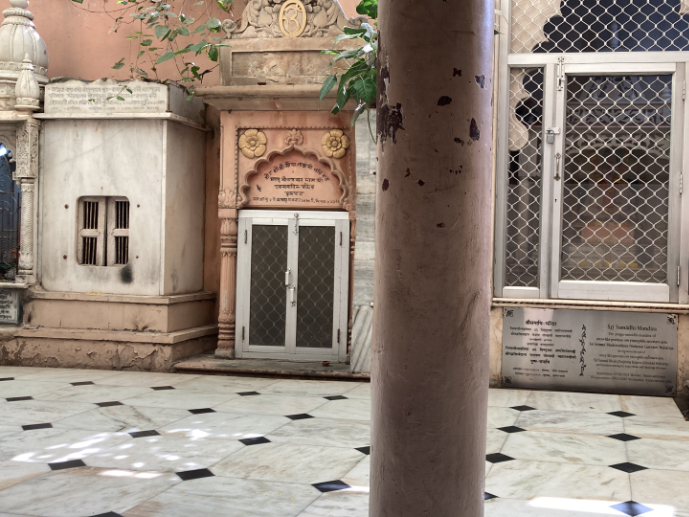
Photo of the samadhis in the temple
What is a samadhi in a temple?
It is the sacred place where the body or ashes of an enlightened saint rest. It is like a tomb or memorial, but with a deep spiritual meaning. The belief is that when a saint reaches enlightenment and leaves his body, that place is impregnated with his spiritual energy. That is why devotees meditate near these samadhis, make offerings and seek the saint's blessing. It is similar to how in other traditions the relics of saints are venerated, but in the Hindu/Vedic tradition it is considered that the energetic presence of the master remains especially potent in that place.
One thing to do in Vrindavan, especially if you follow a sadhana, is to walk the 20 km around the mountain of Govardhan. This is the mountain that Krishna lifted with his little finger to protect the village and its animals from a torrential storm that lasted seven days and nights. I had a delicate knee, but Anuradha and Achutananda insisted that I should walk it, so I asked God and the Guru to allow me to do it without having physical problems. And by magic I did the 20 km without complaint, just when the same day before I had notable discomfort. And not only was I allowed to do the walk, but to dedicate as many more kilometers at night to go in search of a restaurant to have dinner and return to my hotel walking. The next day I was back to the same as the day before, so I was grateful for the consideration that God and the master had with me from the high spheres, to grant me a truce to be able to enjoy the experience.
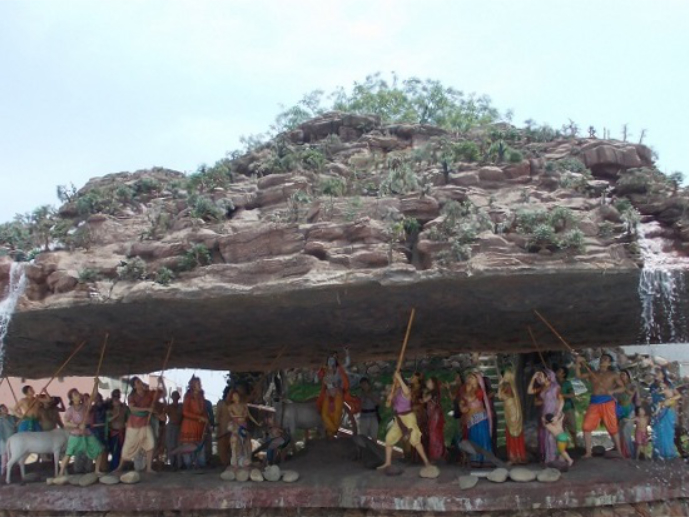
The representation of Krishna's moment
I will fondly remember the temples with large lake-pools that we crossed and that made me remember a beautiful dream I had one night, in which I was frolicking as a child in one of these places, perhaps in another life.
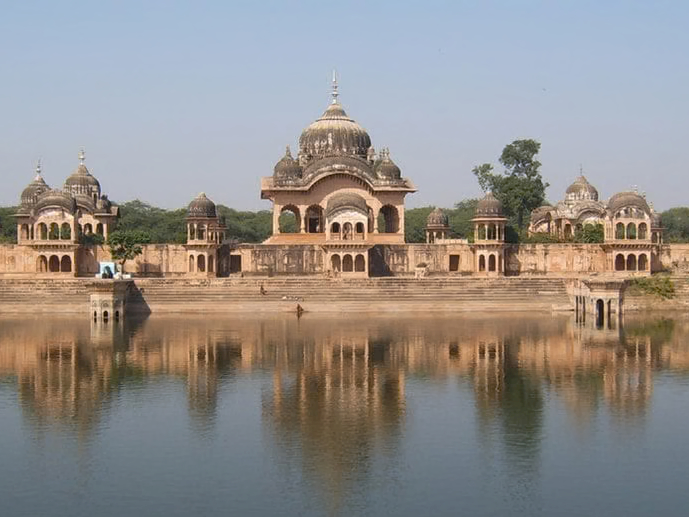
Temples with lakes in Govardhan
Once again, and as in all places, monkeys, rickshaws and buying fruit on the street for a foreigner require a lot of patience and mastery of the art of acceptance.
The day before my departure from Vrindavan I took another look at Anu's ashram bookstore to see new releases, and as is customary I bought some little books that seemed like a real gem to me.
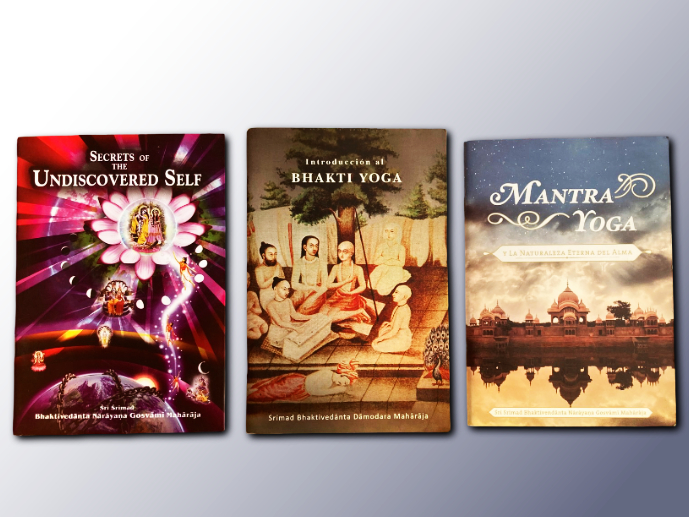
New books from Anuradha's ashram bookstore
To put the finishing touch on my visit to Vrindavan, I met again with Anuradha and Achutananda to share a beautiful talk about the Gita; a talk that is already a classic among us and that lasted almost two hours and in which the three of us enjoyed learning and getting to know each other mutually. I had planned this talk in advance and the thing is, being both of them scholars and deep connoisseurs of the Gita, I wanted them to tell me what the Gita says about "wanting to believe" and the action of "surrendering." These aspects and the desire to delve into them were awakened on this trip during my time in Ranchi.
They also made me aware of the difference between Advaita Vedanta and the dualistic vision of bhakti yogis, something I didn't know and that for them is very important to be clear about in order to focus meditations on God more clearly. In this sense there are these two lines or ways of understanding the union of the soul with God, and the followers of Babaji's line, and therefore of Yogananda, follow a vision closer to Advaita, different from that of bhakti yogis.
Advaita Vedanta vs. Bhakti Yoga: Two views on union with God
The fundamental difference between Advaita Vedanta (taught by Adi Shankaracharya) and the vision of Bhakti yogis lies in how they understand the relationship between the individual soul and God. For Advaita, the soul (Atman) and God (Brahman) are ONE and the same; there is no real separation. The separation we perceive is an illusion (Maya). Upon enlightenment, the soul realizes that it always was God. It is like a drop of water that returns to the ocean and becomes the ocean itself. There is no "relationship" because there are not two entities, there is only ONE. "Tat Tvam Asi" (You are That) - you are God.
On the contrary, Bhakti yogis follow a dualistic or qualified dualism vision, where the individual soul and God are eternally distinct, although related. There will always be a difference between the devotee and God. Upon enlightenment, the soul enters into intimate relationship with God, but remains as a separate entity. It is like a lover with his beloved: two beings in eternal love relationship. The soul participates in the divine nature but does not become identical to God. The devotional relationship is eternal and is the ultimate goal.
The key difference is: in Advaita total fusion is sought ("I AM God"), while in Bhakti individuality is preserved to be able to love eternally ("I love God"). The followers of Babaji's and Yogananda's line follow a vision closer to Advaita, while the Hare Krishnas and practitioners of Bhakti Yoga emphasize the eternal and personal relationship with Krishna.
Information of Interest
Transportation:
The taxi from Delhi airport to Vrindavan can be booked at 9837080758, a trusted taxi driver for devotees. The journey takes about 4 hours and the approximate price is around 4000 rupees ~ 40€.
Accommodation in Vrindavan:
I made the mistake of staying in Mathura on my first trip and traveling from there to Vrindavan on each occasion. On the second trip in 2025 I was able to find accommodation in Vrindavan and although it fulfilled its mission, due to the details mentioned, in the future I would look for a more decent place. It is easy to find a hotel in Vrindavan, you just have to do it well in advance and consider the festival periods when the offer is scarcer and more expensive.
Places to visit:
Barsana: Radanan castle. Govardhan: walkable hill with a 20km route. Radakunda and Shamakunda: visit to lakes.
Temples: Sri Caitanya Mahaprabhu, Imlitala Temple, Radha Damodar Temple, Sri Radha Vallabh Mandir, Sri Radha Raman Mandir, Sri Gopinath Gaudiya Math, Nidhivan Temple, Prem Mandir, Govind Dev Ji Temple, Radha Raman Temple.
Google Maps links to a selection of the most powerful temples: At this location you have within 800m the following temples: Govind Dev Ji Temple, Nidhivan Temple and Sri Gopinath Gaudiya Math. At this location you have within 800m the following temples: Prem Mandir, ISKCON Temple, Rangji Temple and Radha Vallabh Mandir. At this location you have within 800m the following temples: Banke Bihari Temple, Radha Damodar Temple, Prem Mandir and Radha Shyam Sundar Temple. Anuradha's ashram on Google Maps. Anuradha's ashram Website.
Important:
If you haven't read the Considerations section yet, don't forget to do so. In this section, you will find very valuable information that can save you many headaches. In particular, there are details related to credit cards and mobile phone use that are essential.